
DRY EYE TREATMENT & IPL
We find the cause -
not just prescribe drops.
As an independent optometry practice in North Strathfield, we know that if your eyes feel dry, gritty, or tired no matter what you try, the problem usually isn't a lack of drops. It's blocked oil glands. We diagnose what's actually going on and treat the root cause — including IPL therapy for lasting relief.
Medically Reviewed by Dr. Mark Joung B.Optom (Hons) UNSW, Grad Cert Ocular Therapeutics | Updated March 2026
WHAT IS THE MAIN CAUSE OF DRY EYES
Why your eyes feel dry — and why drops aren’t enough
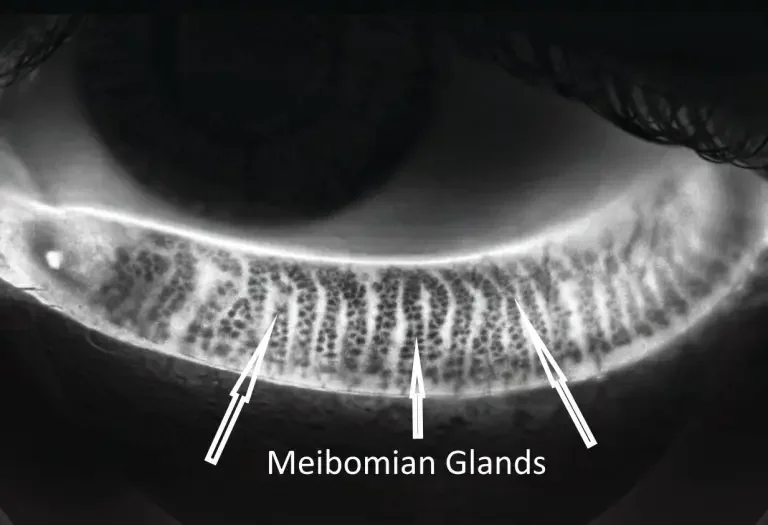
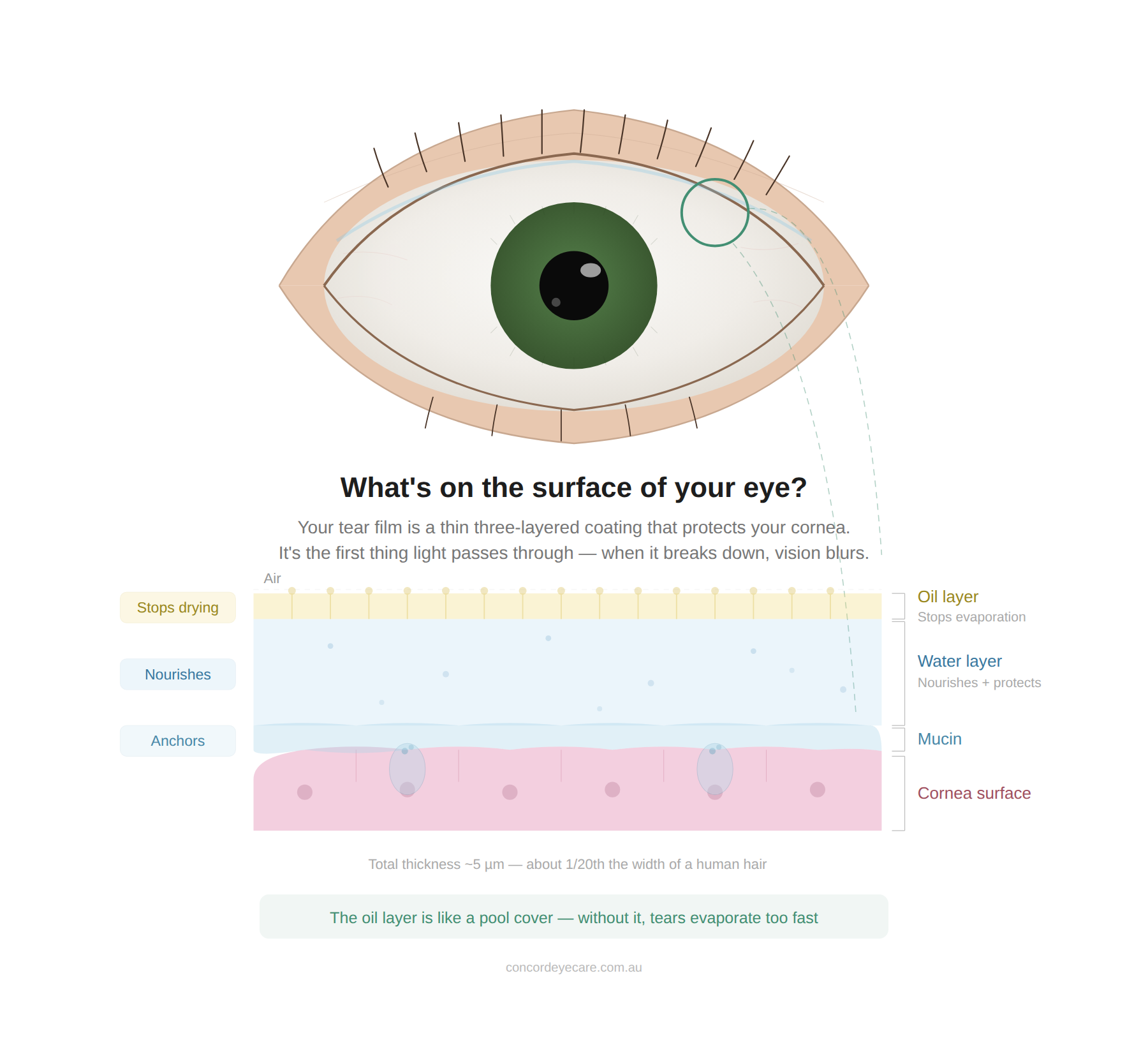
Most dry eye is caused by meibomian gland dysfunction — blocked oil glands in the eyelids that prevent your tear film from staying stable. Studies show this evaporative form accounts for approximately 86% of all dry eye cases. Artificial tears temporarily supplement moisture but don't unblock the glands, which is why symptoms keep returning. Effective treatment requires diagnosing the underlying cause first.
We assess your tear film stability, check the health and function of your meibomian glands, look for inflammation along your lid margins, and evaluate your blink pattern. It takes about 20 minutes, and we'll explain everything we find in plain language.
If your dry eye is caused by blocked meibomian glands — which it usually is — that's where IPL comes in. If it's something else, we'll tell you that honestly and recommend a different approach.
DO THESE CHRONIC DRY EYE SYMPTOMS SOUND FAMILIAR?
Common signs of dry eye disease
The most common signs of dry eye disease include a persistent gritty or sandy sensation, burning or stinging, eyes that water excessively, blurred vision that comes and goes, and increased discomfort in air-conditioned or heated environments. Symptoms are often worse after screen use or reading because blink rate drops by up to 60% during concentrated visual tasks.
Dry Eye Severity Assessment
Based on TFOS DEWS II diagnostic criteria. Select the symptoms you experience regularly to calculate your symptom burden score.
Awaiting Input...
Check the boxes above to evaluate your tear film stability.
If you're ticking several of these, it's worth getting a proper assessment. Dry eye is a chronic condition — it doesn't go away on its own, and it tends to get worse if the underlying cause isn't treated.
HOW WE DIAGNOSE THE ROOT CAUSE OF YOUR DRY EYES
Finding out why your eyes are dry
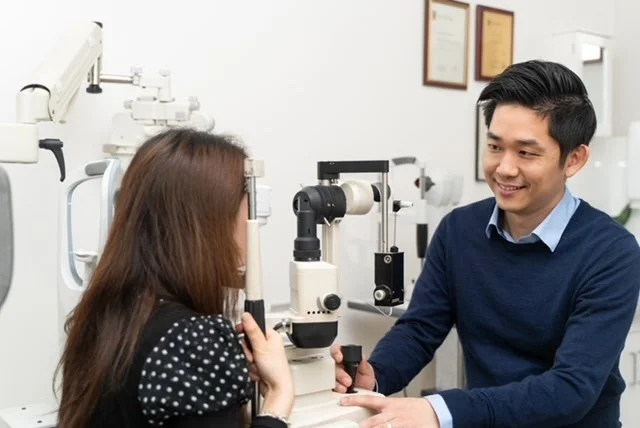
A dry eye assessment at Concord Eyecare takes about 20 minutes. We measure your tear break-up time to assess tear film stability, examine your meibomian glands using imaging to check for blockages, look for signs of blepharitis or Demodex along your lid margins, and evaluate your blink pattern and rate.
The diagnosis determines the treatment. Evaporative dry eye caused by meibomian gland dysfunction — which accounts for roughly 86% of cases — responds well to IPL therapy. Aqueous deficient dry eye, where the eye isn't producing enough tears, needs a different approach — sometimes prescription drops like cyclosporine, sometimes punctal plugs, sometimes a combination.
We'll tell you exactly what type you have and why. If IPL isn't the right fit, we'll recommend what is — whether that's therapeutic drops, lid hygiene, omega-3 supplementation, or a referral.
Advanced Dry Eye Treatments in North Strathfield
IPL therapy — treating the root cause, not just the symptoms
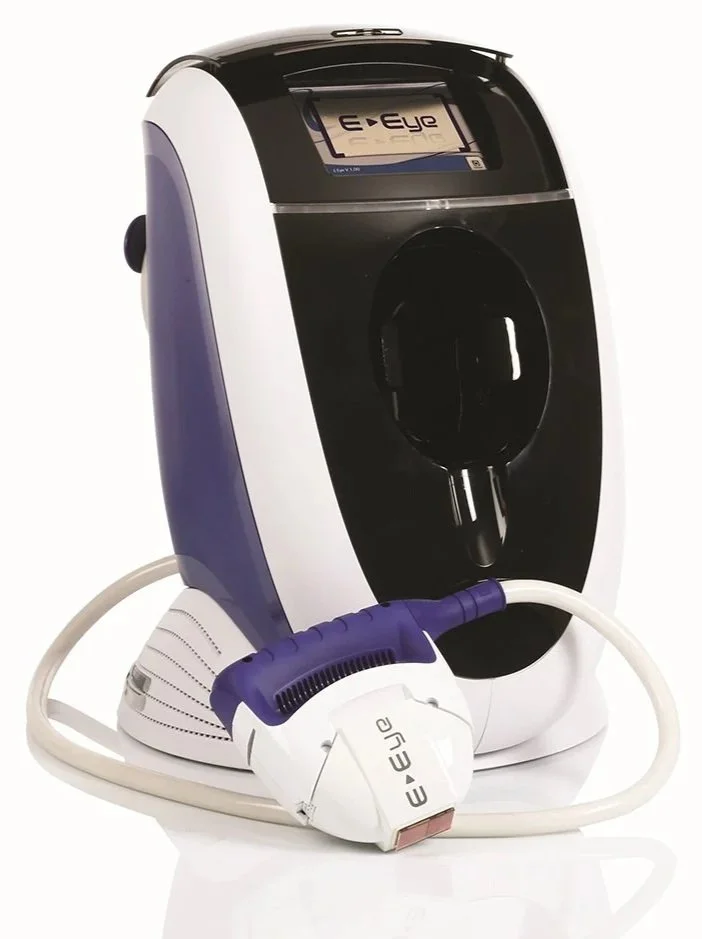
IPL stands for Intense Pulsed Light. We use the E-Eye device — designed specifically for treating meibomian gland dysfunction, not a skin clinic device adapted for eyes.
It works by delivering gentle pulses of light to the skin around your lower eyelids. This targets the underlying inflammation and blocked blood vessels that are stopping your oil glands from working properly. Each session takes about 20–30 minutes, it's painless for most people, and there's no downtime — you can drive home straight after.
The treatment works across four sessions spaced over about three months (Day 1, Day 15, Day 45, Day 75). Most patients notice improvement by the third session, and the full course typically provides relief lasting 12–18 months.
Ready to find out what's causing your dry eye?
or call (02) 8765 9600
Evidence-based Dry Eye Management
Clinically proven to work.
IPL for dry eye is supported by multiple randomised controlled trials and meta-analyses — not just theory.
YOUR IPL TREATMENT JOURNEY
What to expect — from first visit to lasting relief
Free IPL Suitability Consultation
15–20 minutes. We assess your dry eye, check your skin type, and let you know honestly whether IPL is the right option — or if something else would work better. No charge, no obligation.
Session 1 — Day 1
Your first IPL treatment. We place protective shields over your eyes, apply a coupling gel, and deliver the light pulses across your lower lids. Takes about 20–30 minutes. You might notice a warm, gentle sensation — that's normal.
Session 2 — Day 15
Two weeks later. The second session builds on the first. Some patients start noticing less dryness and irritation around this stage.
Session 3 — Day 45
This is typically where patients notice a real shift. Your oil glands are starting to function better, your tears are more stable, and the daily discomfort is fading. We'll check your progress.
Session 4 — Day 75
Final session. By now your meibomian glands should be functioning much better. We assess your improvement and discuss whether maintenance sessions are needed — typically one top-up every 12 months or so.
IPL THERAPY TREATMENT COST
We believe in 100% transparent pricing
We believe you should know what something costs before you walk in.
How much does IPL for dry eye cost?
This is a one-off investment to reduce your long-term reliance on expensive daily drops, temporary heat masks, and constant GP visits.
Maintenance sessions available at a reduced rate. IPL is not covered by Medicare or private health insurance.
Why Choose Our North Strathfield Dry Eye Clinic?
Why treat dry eye with us — and not a chain or a skin clinic?
Some skin clinics offer IPL for dry eye. And some chain optometrists are adding it to their menu. But there's a difference between offering a treatment and understanding the condition.
We're optometrists first. We diagnose and treat eye conditions every day. IPL is one tool in our toolkit — not the only thing we do. If IPL isn't right for you, we'll tell you that honestly and recommend what is.
All three of our optometrists are therapeutically endorsed, which means we can prescribe anti-inflammatory drops, antibiotics, or other medications directly. No sending you to a GP, no delays. We manage the whole thing under one roof.
"Mark treated my dry eyes with IPL and I can't thank him enough. After my 3rd session I noticed an improvement, and by the 4th the dryness was almost completely gone. Now I can sit in front of the computer without any irritation. Really happy with the results."
Book a free IPL suitability consultation.
15–20 minutes. We'll assess your dry eye, examine your glands, and tell you honestly whether IPL is the right option. We won't pressure you into treatment. If standard warm compresses and drops are all you need, we will tell you. No obligation, no pressure.
Book Free ConsultationCOMMON QUESTIONS
Dry eye & IPL — your questions answered
Is IPL for dry eye covered by Medicare?
IPL treatment itself isn't covered by Medicare or private health insurance. However, your initial dry eye assessment may be bulk billed, and any prescriptions we write are eligible for PBS subsidies where applicable. The full IPL course is $800 all-inclusive.
Does IPL for dry eye actually work?
Yes — and the evidence is strong. Multiple randomised controlled trials and meta-analyses show that 80–93% of patients experience measurable improvement. Tear film stability, symptoms, and gland function all improve significantly. Read our detailed evidence review →
Is IPL painful?
No. Most patients describe it as a warm, gentle sensation around the eyes. We use protective eye shields throughout, and there's no downtime — you can drive home and go about your day straight after.
How long do the results last?
Most patients maintain improvement for 12–18 months after a full course. Some people benefit from a single maintenance session once a year to keep things on track. Research shows the benefits are cumulative — each session builds on the last.
Do I need a GP referral?
No. All three of our optometrists are therapeutically endorsed — we can diagnose, prescribe, and treat dry eye directly. No referral, no extra appointments.
Can I still use eye drops during treatment?
Yes — we'll advise you on which drops to continue and which to adjust. IPL works alongside your existing routine, not instead of it. The goal is to reduce your dependence on drops over time.
Who isn't suitable for IPL?
IPL isn't recommended for very dark skin types (Fitzpatrick V–VI), pregnant or breastfeeding women, or people on certain photosensitising medications. We assess suitability during the free consultation — that's what it's for.
What if IPL isn't right for me?
We'll tell you. Not everyone needs IPL — some dry eye responds well to therapeutic drops, warm compresses, lid hygiene, or a combination. We'll build a plan that fits your specific situation.
Dig deeper into dry eye
- Craig JP, et al. "TFOS DEWS II Definition and Classification Report." Ocul Surf. 2017;15(3):276-283. doi:10.1016/j.jtos.2017.05.008
- Lemp MA, et al. "Distribution of aqueous-deficient and evaporative dry eye in a clinic-based patient cohort." Cornea. 2012;31(5):472-478. doi:10.1097/ICO.0b013e318225415a
- Nichols KK, et al. "The international workshop on meibomian gland dysfunction: executive summary." Invest Ophthalmol Vis Sci. 2011;52(4):1922-1929. doi:10.1167/iovs.10-6997a
- Toyos R, McGill W, Briscoe D. "Intense pulsed light treatment for dry eye disease due to meibomian gland dysfunction; a 3-year retrospective study." Photomed Laser Surg. 2015;33(1):41-46. doi:10.1089/pho.2014.3819
- Dell SJ, et al. "Intense pulsed light for evaporative dry eye disease." Clin Ophthalmol. 2017;11:1167-1173. doi:10.2147/OPTH.S139894
- Stapleton F, et al. "TFOS DEWS II Epidemiology Report." Ocul Surf. 2017;15(3):334-365. doi:10.1016/j.jtos.2017.05.003
- Jones L, et al. "TFOS DEWS II Management and Therapy Report." Ocul Surf. 2017;15(3):575-628. doi:10.1016/j.jtos.2017.05.006
- Geerling G, et al. "The International Workshop on Meibomian Gland Dysfunction: Report of the Subcommittee on Management and Treatment." Invest Ophthalmol Vis Sci. 2011;52(4):2050-2064.
- Optometry Australia. "Clinical Practice Guide for Dry Eye Disease." 2021.
- Yin Y, et al. "Intense pulsed light therapy for meibomian gland dysfunction: a systematic review and meta-analysis." Cornea. 2021;40(9):1206-1215. doi:10.1097/ICO.0000000000002743
READY TO BOOK?
Your eyes don’t have to feel like this forever.
Book a free IPL suitability consultation. 15–20 minutes, no obligation. We'll find out what's causing your dry eye and whether IPL can help.